Oct 23, 2026
New EU Packaging Rules in 2026: What It Means for Packaging Machinery and Manufacturers
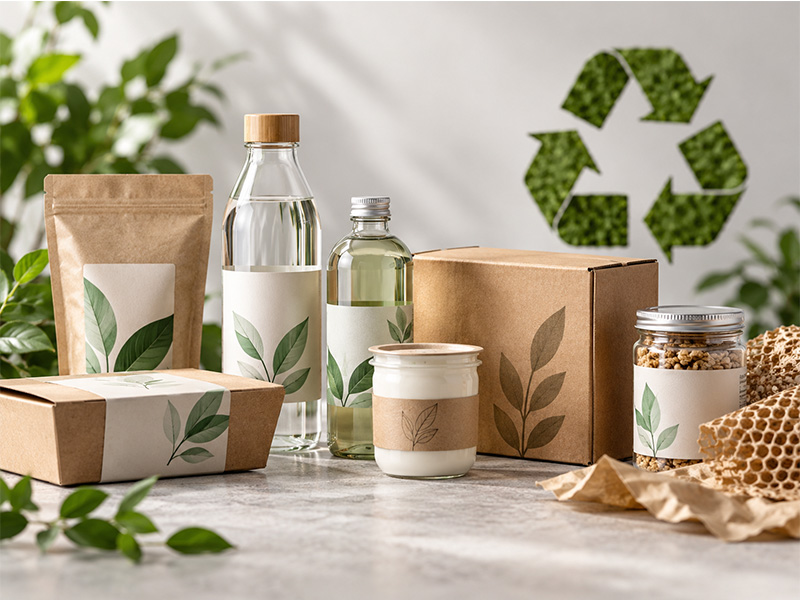
The packaging industry is entering a new phase as manufacturers face increasing demands for sustainable materials, recyclable packaging, and more efficient production processes. On August 12, 2026, the European Union's Packaging and Packaging Waste Regulation (PPWR) became generally applicable, introducing new requirements that will influence how packaging is designed, produced, and managed across the European market. For packaging manufacturers and equipment suppliers, these developments highlight the growing importance of flexible and efficient packaging machinery. 1. Sustainability Is Becoming a Key Packaging Requirement The new EU regulation aims to reduce packaging waste, improve recyclability, and encourage more responsible use of packaging materials. Several requirements will be introduced progressively over the coming years, including measures relating to packaging recyclability, material reduction, and certain single-use packaging formats. For manufacturers, this means packaging design must increasingly consider both product protection and environmental impact. 2. What Does This Mean for Packaging Machinery? Changes in packaging materials and designs can affect the performance of existing production equipment. For example, adjustments to packaging film thickness, label materials, or container dimensions may require changes in machine settings or production configurations. Manufacturers may need to pay closer attention to: Material compatibility: Ensuring machines can handle different packaging films and label materials. Packaging accuracy: Maintaining consistent labeling, sealing, and shrinking quality. Production flexibility: Accommodating different bottle sizes, packaging formats, and production requirements. Material efficiency: Reducing unnecessary film consumption and packaging defects. These considerations are particularly important for businesses using automatic labeling machines, shrink tunnels, and integrated packaging lines. 3. Bottle Labeling and Shrink Packaging Face New Considerations Shrink sleeve labeling remains widely used in beverage, food, cosmetics, and daily chemical packaging because it provides excellent product presentation and adapts to different container shapes. However, as packaging recyclability receives greater attention, manufacturers need to consider how sleeve materials, adhesives, inks, and container combinations may affect recycling processes. A well-designed packaging process should balance attractive product appearance, reliable machine performance, and material compatibility. For sleeve labeling and shrink packaging applications, manufacturers should evaluate suitable packaging materials together with the appropriate labeling and shrinking equipment. 4. Flexible Packaging Equipment Will Become Increasingly Important As packaging requirements continue to evolve, manufacturers may benefit from production equipment that supports different packaging specifications. Automatic sleeve labeling machines, ste...
Visualizza altro